Skip to content
Home » Linux » Bash » Page 2

Bash

Bash Script Tutorial: Learn the Fundamentals of Variables, Redirection, and Loops

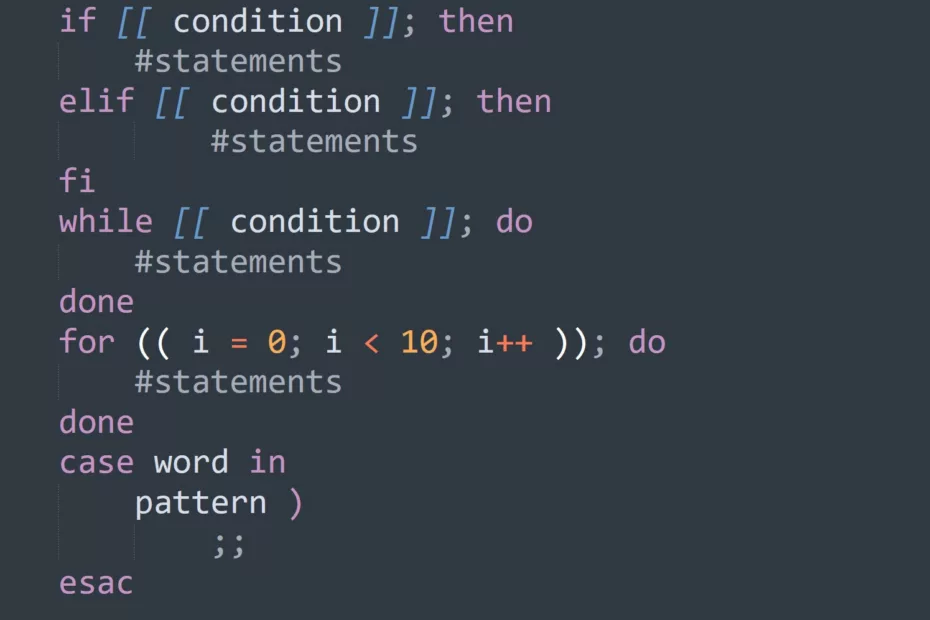
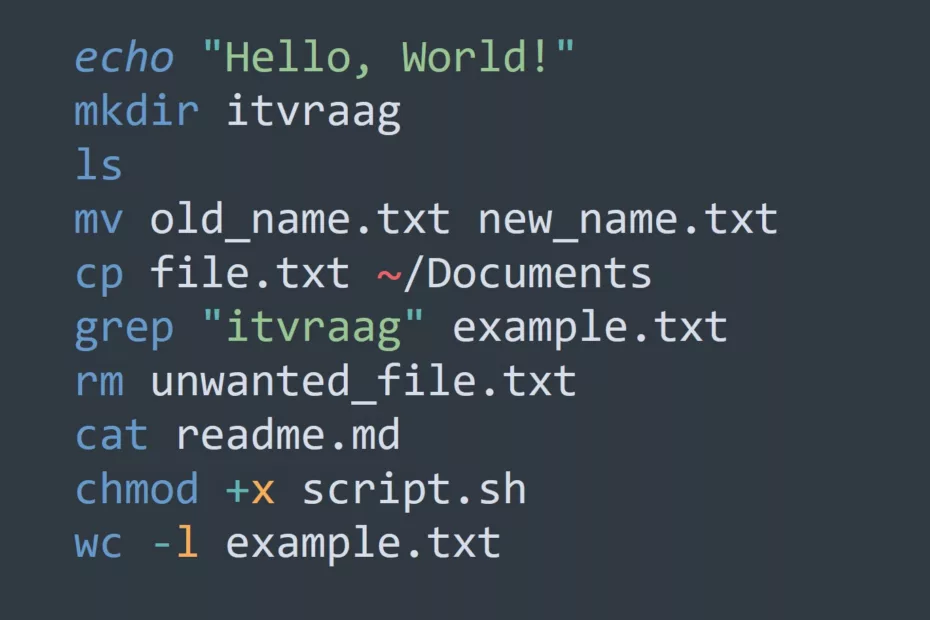
In this comprehensive tutorial, we will cover everything you need to know to get started with bash scripting. From basic commands to complex conditionals, we’ll walk you through everything you need to know to streamline your workflow and save time. Bash Basics Terminal vs Shell vs Bash: What’s the Difference?… Read More »Bash Script Tutorial: Learn the Fundamentals of Variables, Redirection, and Loops

Optimize & Debug Nested Loops for Performance

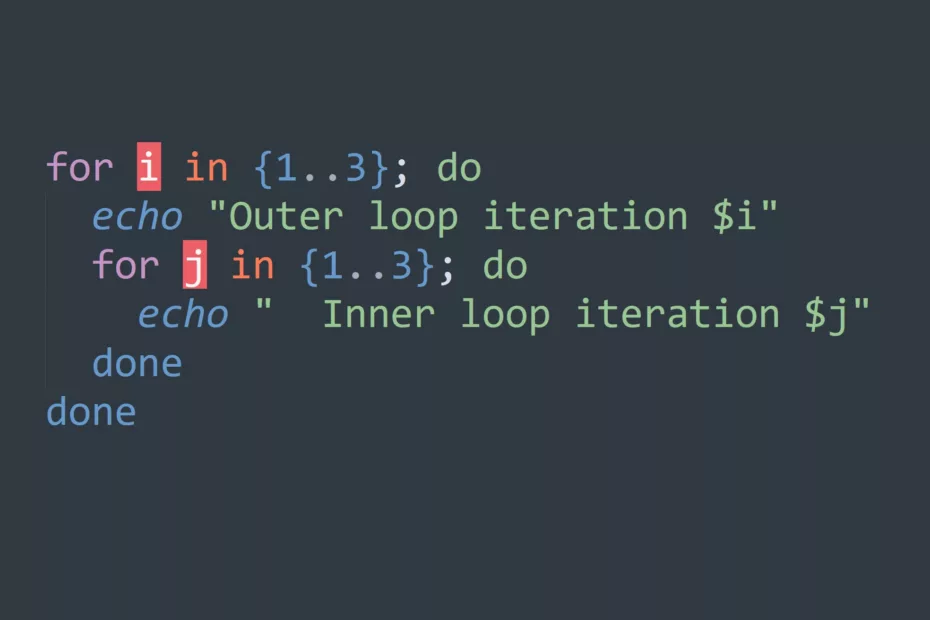
TLDR; Nested loops are a programming construct providing increased complexity and ability to process multi-dimensional data, but at expense of slow performance and difficulty in debugging. To optimize, avoid too many nested loops, use early exit conditions, and use appropriate data structures. Debugging can be done with print statements, debugger,… Read More »Optimize & Debug Nested Loops for Performance

Master Verbose Mode for More Insightful Command Line Use

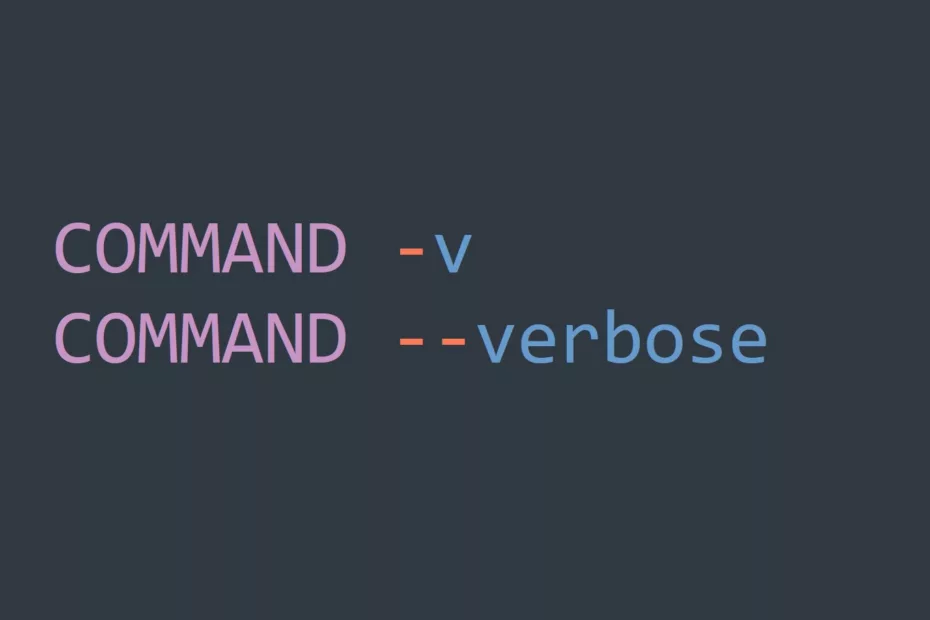
TLDR; Verbose mode in the CLI can be enabled by using an appropriate command-line option (e.g. v for tar). It is useful for debugging, understanding commands, and troubleshooting scripts and automation. Verbose mode is supported by many Unix commands, package managers, and build systems. It is important to understand the… Read More »Master Verbose Mode for More Insightful Command Line Use

Take Control of Ownership and Permissions in Linux with the Chown Command

TLDR; The chown command in Linux changes the ownership of files/directories, setting who can access/modify them. The syntax is chown [OPTION]… OWNER[:[GROUP]] FILE…. The R option can recursively change ownership in a directory and v displays verbose output. Note that root privileges are needed and it should be used with… Read More »Take Control of Ownership and Permissions in Linux with the Chown Command

Discover the Benefits of Managing the /var Directories in Linux

TLDR; The /var directory in Linux is crucial for storing files and directories that change frequently during the system’s normal operation. It includes log files, temporary files, spool files, and data files for various system services. It’s important to monitor and manage the contents of the /var directory, such as… Read More »Discover the Benefits of Managing the /var Directories in Linux

Unlock the Power of File Transfer Protocols

Introduction File Transfer Protocol (FTP), Secure File Transfer Protocol (SFTP), and File Transfer Protocol Secure (FTPS) are the three most popular protocols for transferring files over the internet. In this blog, we will discuss these protocols in detail, including their differences, advantages, disadvantages, and use cases. What is a File… Read More »Unlock the Power of File Transfer Protocols

Secure Your Sensitive Data: A Guide to Securing Critical Files in Linux

As a Linux user, you are aware of the importance of securing your data. Whether you’re running a personal desktop or a large enterprise, it’s crucial to protect your sensitive information from unauthorized access. In this article, we’ll explore the best practices for securing critical files in Linux. From encryption… Read More »Secure Your Sensitive Data: A Guide to Securing Critical Files in Linux