Skip to content

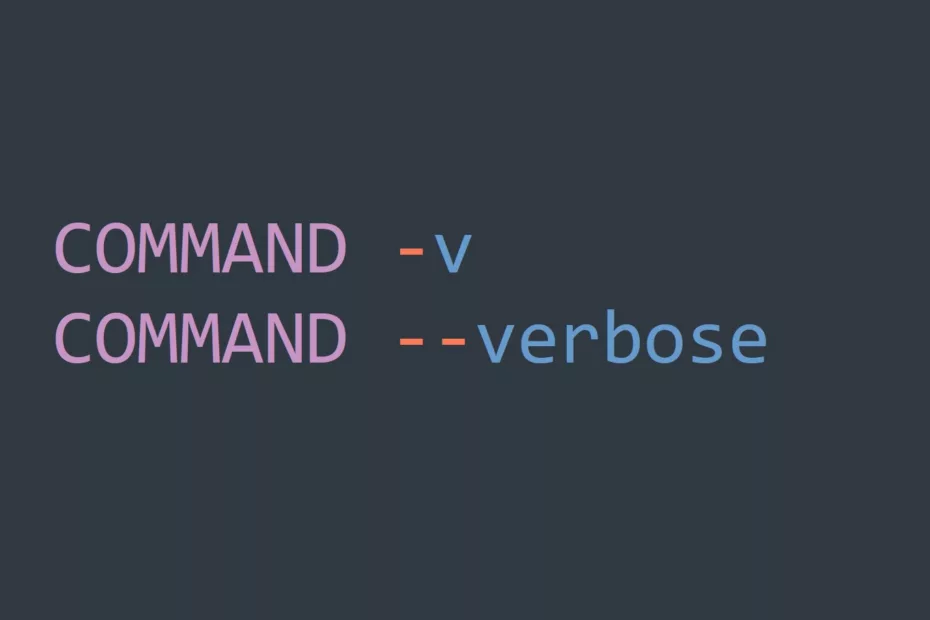
Master Verbose Mode for More Insightful Command Line Use

TLDR; Verbose mode in the CLI can be enabled by using an appropriate command-line option (e.g. v for tar). It is useful for debugging, understanding commands, and troubleshooting scripts and automation. Verbose mode is supported by many Unix commands, package managers, and build systems. It is important to understand the… Read More »Master Verbose Mode for More Insightful Command Line Use

Take Control of Ownership and Permissions in Linux with the Chown Command

TLDR; The chown command in Linux changes the ownership of files/directories, setting who can access/modify them. The syntax is chown [OPTION]… OWNER[:[GROUP]] FILE…. The R option can recursively change ownership in a directory and v displays verbose output. Note that root privileges are needed and it should be used with… Read More »Take Control of Ownership and Permissions in Linux with the Chown Command

Art of Troubleshooting in IT: Isolate, Fix & Document

TLDR; Troubleshooting in IT is a key skill for tech system maintenance. It involves: prep (gather info, ID problem, define scope & prioritize tasks); isolate (eliminate potential causes, test assumptions); resolve (find & implement solution, verify); document (record problem & solution, update knowledge base, share info); prevent (ID root cause,… Read More »Art of Troubleshooting in IT: Isolate, Fix & Document

Discover the Benefits of Managing the /var Directories in Linux

TLDR; The /var directory in Linux is crucial for storing files and directories that change frequently during the system’s normal operation. It includes log files, temporary files, spool files, and data files for various system services. It’s important to monitor and manage the contents of the /var directory, such as… Read More »Discover the Benefits of Managing the /var Directories in Linux

Unlock the Power of File Transfer Protocols

Introduction File Transfer Protocol (FTP), Secure File Transfer Protocol (SFTP), and File Transfer Protocol Secure (FTPS) are the three most popular protocols for transferring files over the internet. In this blog, we will discuss these protocols in detail, including their differences, advantages, disadvantages, and use cases. What is a File… Read More »Unlock the Power of File Transfer Protocols

Learn the Basics of MD5, SHA1, SHA2 & SHA3 Checksum Algorithms

TLDR; This blog post provides an overview of checksum algorithms, including MD5, SHA1, SHA2, and SHA3. It explains how these algorithms work, the differences between them, and how they can be used to validate the integrity of data during transfers. The post also provides five tips for working with checksum… Read More »Learn the Basics of MD5, SHA1, SHA2 & SHA3 Checksum Algorithms

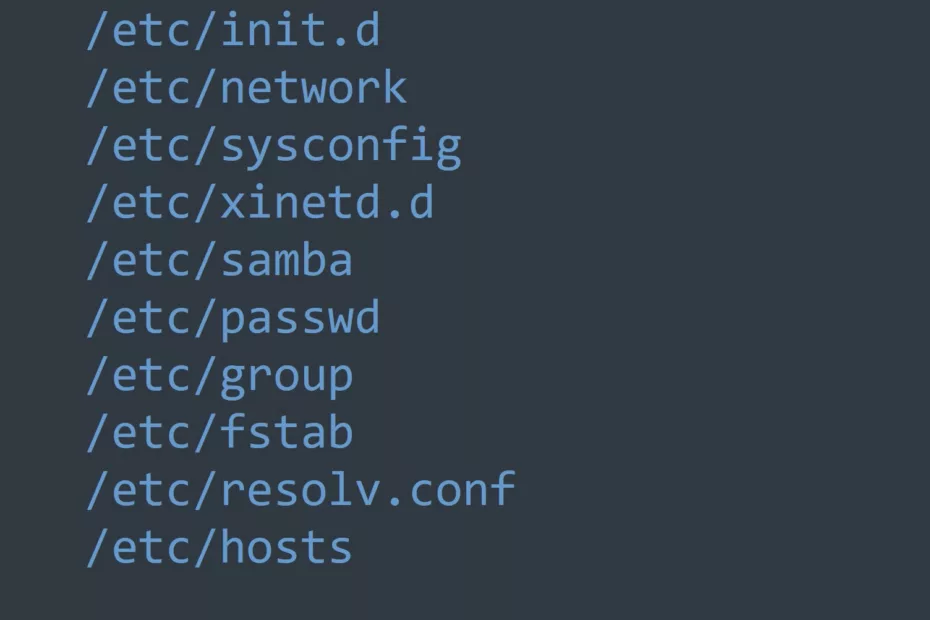
Linux /etc Directory – Discover the Configuration Files & Structure

TLDR: The /etc directory in Linux is a critical component of the system, containing configuration files for the system and applications. In this blog, we will discuss the significance of the /etc directory, its structure, and the configuration files it contains. Additionally, we will look at some practical use-cases, tips… Read More »Linux /etc Directory – Discover the Configuration Files & Structure