Skip to content
Home » Linux

Linux

How to Use Base64 Encoding and Decoding for Storing Binary Data in Linux

If you work with Linux systems, you may need to encode or decode strings using Base64. This skill is useful for transmitting data over networks or storing binary data in text formats. In this guide, we’ll explain how to encode and decode strings in a Linux file using Base64. We’ll… Read More »How to Use Base64 Encoding and Decoding for Storing Binary Data in Linux
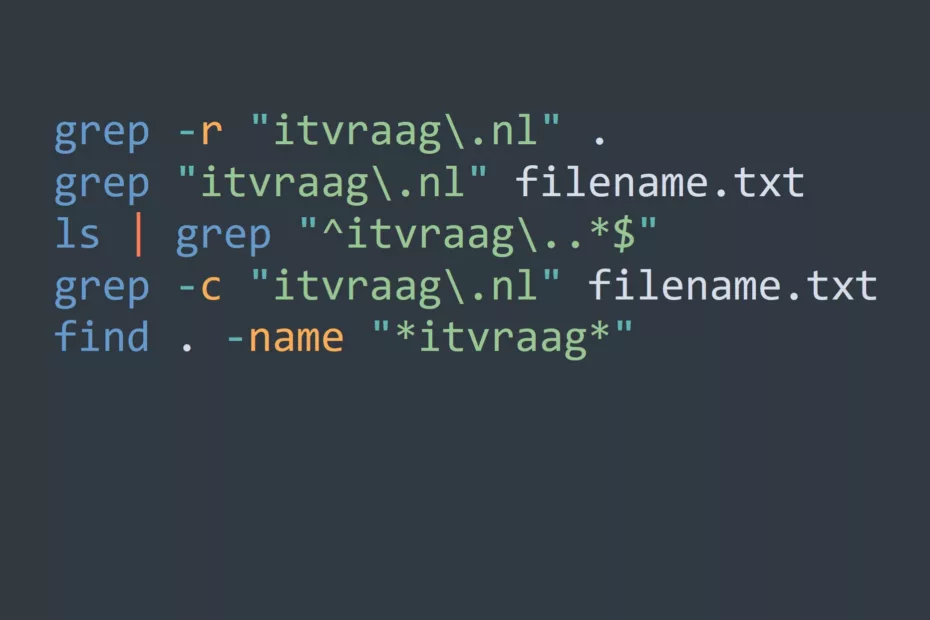
The Secret to Efficient Text Manipulation: Regular Expressions in Linux!

Regular expressions are a key part of working with text in Linux systems. They allow you to search for specific patterns in text, such as email addresses, phone numbers, or URLs, and can be used in a variety of Linux commands, including grep, sed, and awk. Prerequisites While regular expressions… Read More »The Secret to Efficient Text Manipulation: Regular Expressions in Linux!

Want to Find Hidden Strings in Your Binary Files? Try the Strings Command in Linux

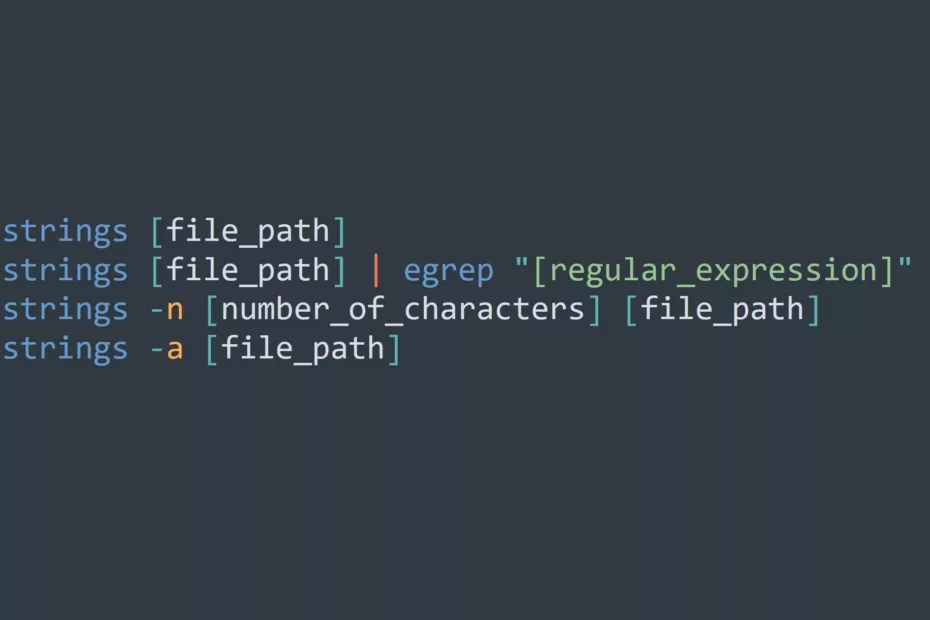
The Linux “strings” command extracts readable text from binary files, enabling users to search for strings in files, filter the output using regular expressions, and perform a recursive search for strings across multiple files. The command is easy to use and comes with options and flags that can be combined… Read More »Want to Find Hidden Strings in Your Binary Files? Try the Strings Command in Linux

The Holy Trinity of Searching: Combining grep, sort, and uniq for Efficient Data Analysis

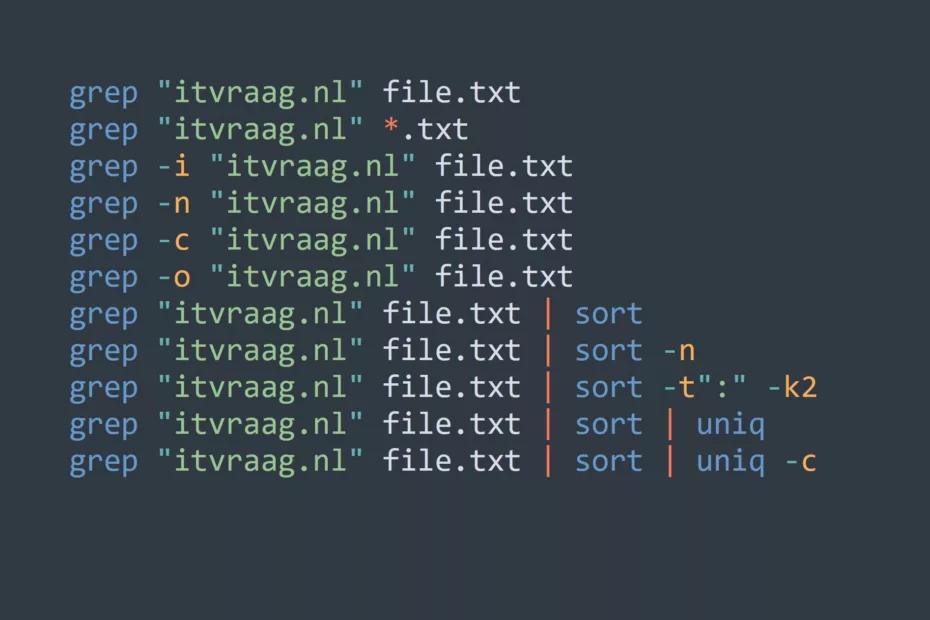
As IT professionals, we’re often faced with the task of searching through large files for specific data. Whether it’s for debugging purposes or simply finding relevant information, manually scanning through files can be time-consuming and inefficient. Fortunately, Linux provides a powerful set of tools for searching and organizing data in… Read More »The Holy Trinity of Searching: Combining grep, sort, and uniq for Efficient Data Analysis

Looking for a Needle in a Haystack? Find the File You Need on Linux Using File Properties!

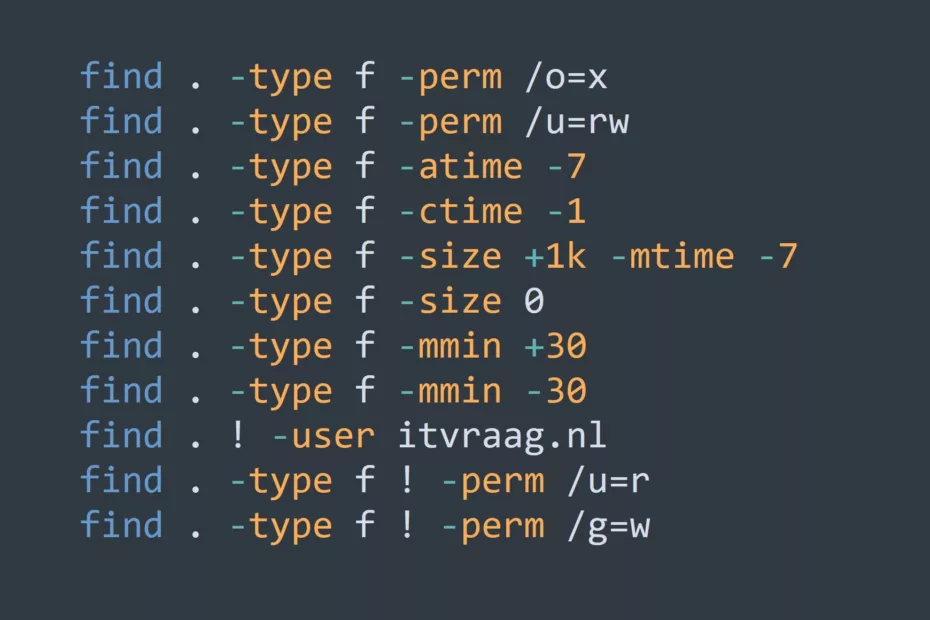
IT professionals can find files on their Linux system quickly and efficiently by using the command-line interface. This guide shows how to find files based on their properties such as file size, (non)executable, date, and more. In the world of IT, working with a large number of files and directories… Read More »Looking for a Needle in a Haystack? Find the File You Need on Linux Using File Properties!

Don’t Let Spaces Slow You Down: Strategies for Working with File Names on the Command Line

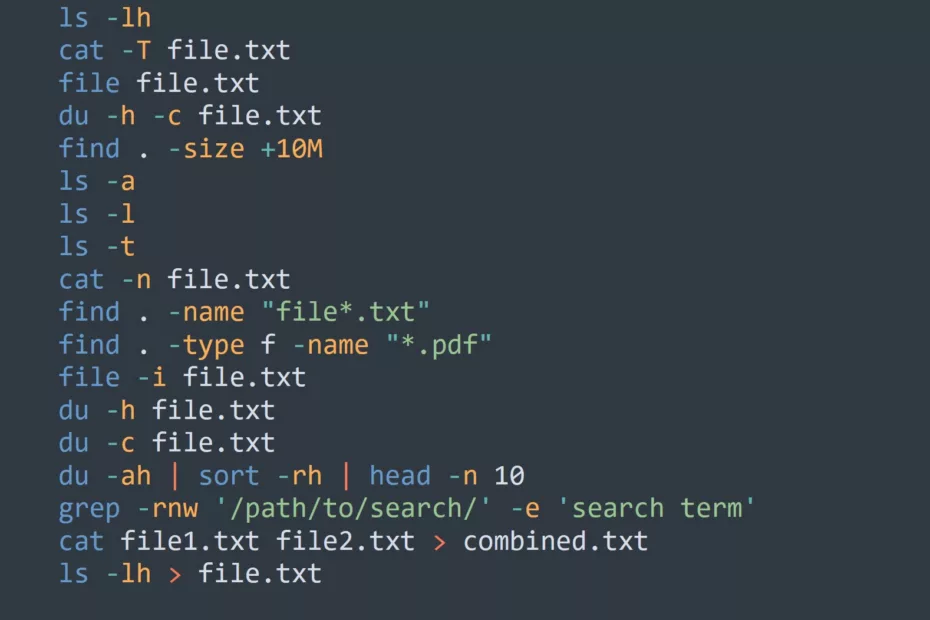
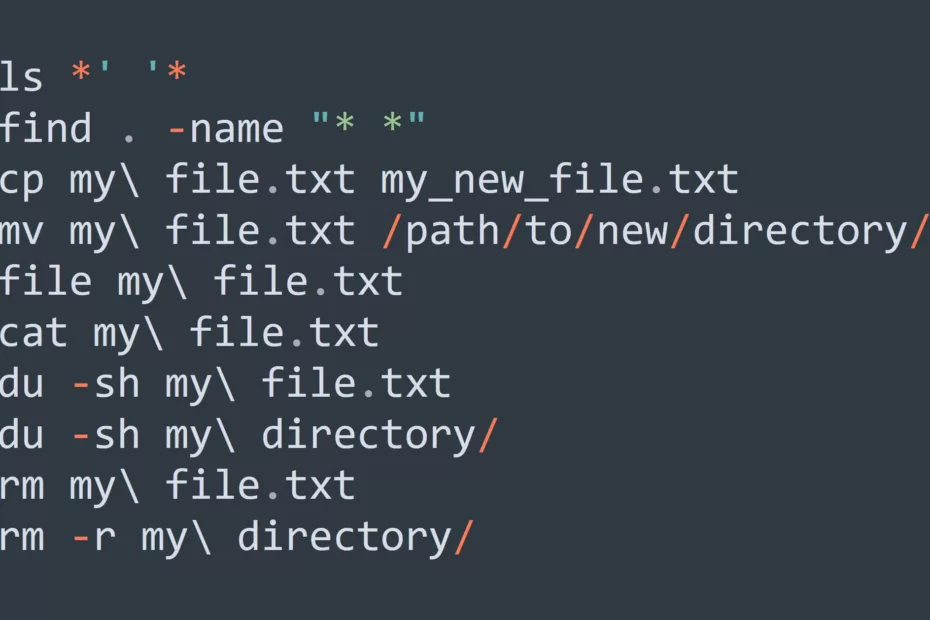
If you’re an IT professional who works with the Linux operating system, you’re likely already familiar with how to navigate and manipulate files on the command line. However, what happens when you encounter a file with spaces in its name? This seemingly innocuous issue can actually cause a lot of… Read More »Don’t Let Spaces Slow You Down: Strategies for Working with File Names on the Command Line