Skip to content
Home » Linux » Page 4

Linux

Tap Into Linux File System Management with Mount and Unmount

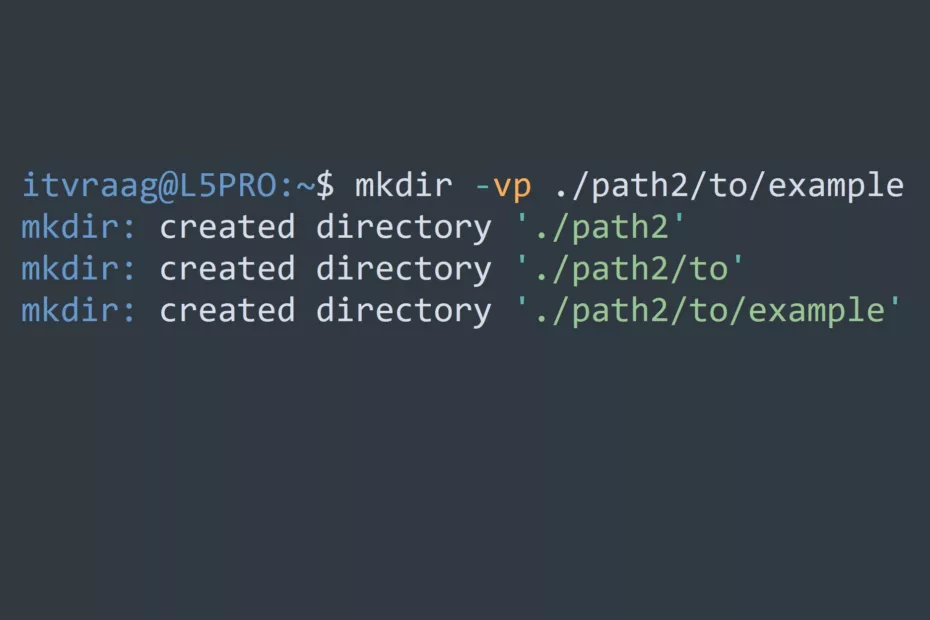
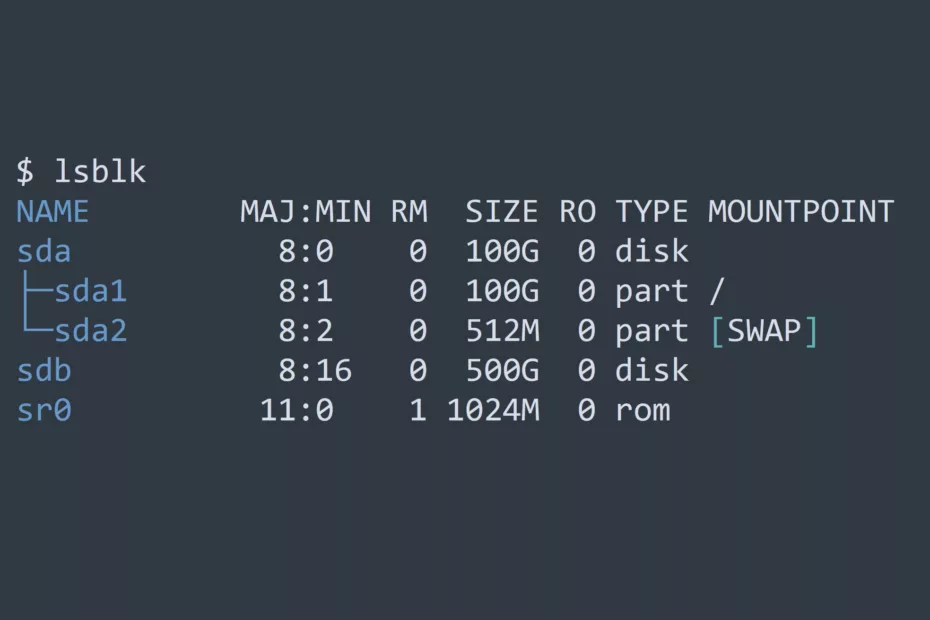
“Mounting” and “unmounting” file systems is critical to managing and accessing data stored in different storage devices, such as hard drives, USB drives, or network storage. In this blog, we’ll go over the basics of mounting and unmounting file systems in Linux, including some practical use cases and tips. What… Read More »Tap Into Linux File System Management with Mount and Unmount
Skip Over Repetitive Tasks with the Continue Command

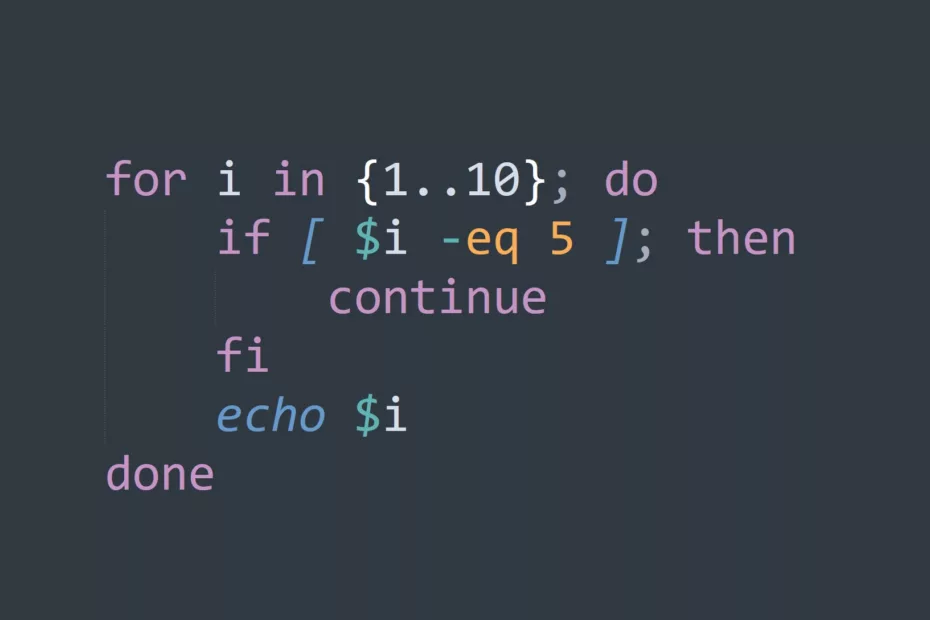
Are you tired of repetitive tasks in your Linux terminal? If so, the “continue” command is your solution! In this blog, we’ll cover everything you need to know about the “continue” command and how to make the most of it. The “continue” command is a built-in command in the bash… Read More »Skip Over Repetitive Tasks with the Continue Command

Manipulate Loops and Conditional Statements with the Break Command

As a Linux user, you must be familiar with loops and conditional statements. The break command is one of the most important commands to master if you want to manipulate these structures efficiently. What is the Linux Break Command? The break command is used in the context of loops and… Read More »Manipulate Loops and Conditional Statements with the Break Command

Extract Data from Logs, CSV Files, and System Outputs With Cut Command

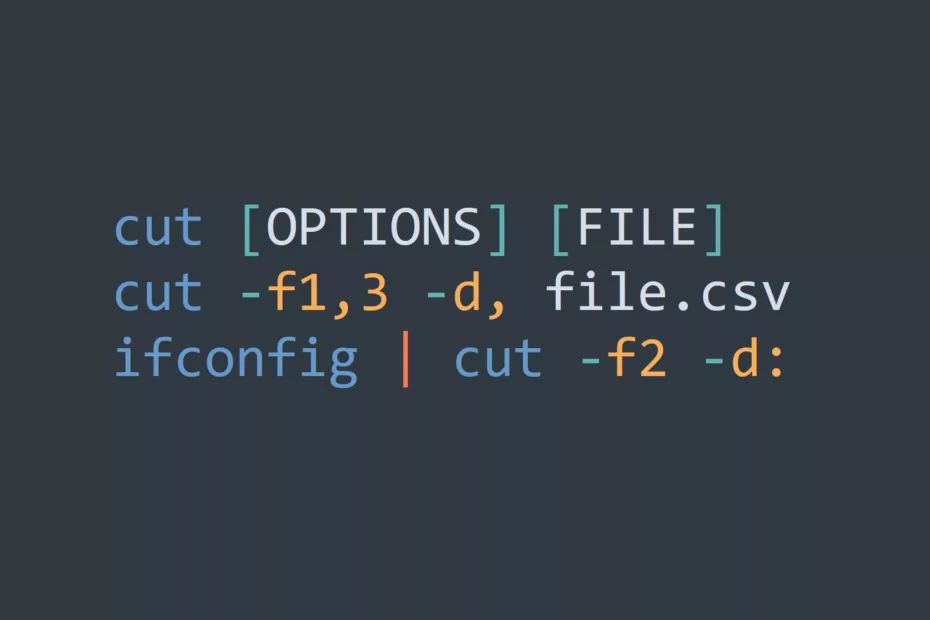
The Linux Cut Command is a powerful utility that enables you to extract and manipulate specific parts of text files, making it an essential tool, but also a simple way for automation. Whether you’re dealing with logs, CSV files, or system outputs, the cut command allows you to quickly and… Read More »Extract Data from Logs, CSV Files, and System Outputs With Cut Command